Family heirlooms and photographs
The things that cannot be bought back
A grandmother's ring, a shoebox of photographs, letters from a child. None of it may be worth much on paper. All of it is gone for good if it is thrown out in a move.
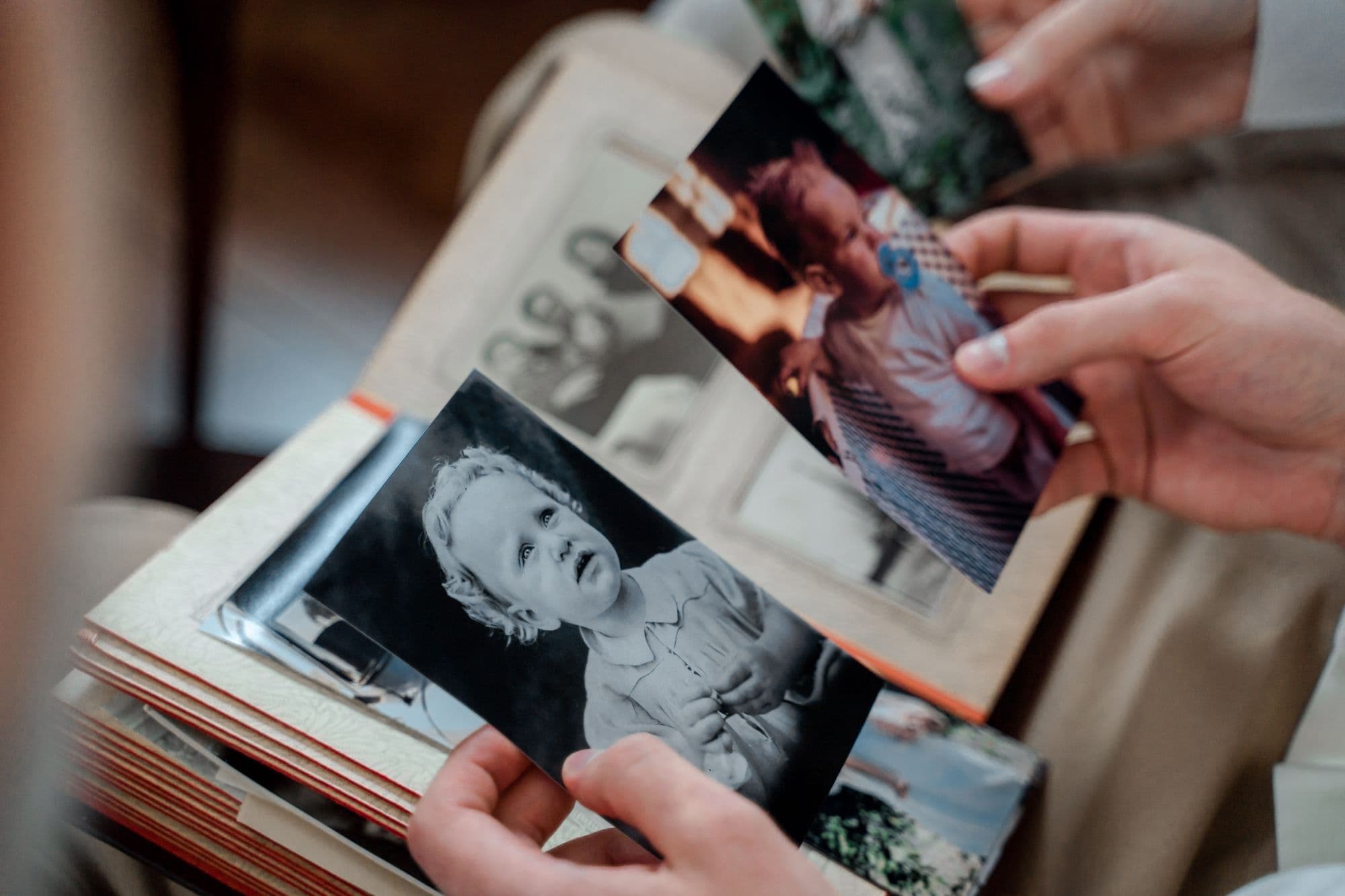
Households change during a long absence. A partner moves out, a parent downsizes, a storage unit's rent stops being paid. Objects with no price on them are the ones that get boxed by someone in a hurry, and nobody notices they are gone until much later.
Choose what cannot be replaced: original photographs and negatives, letters, military medals, a family Bible, a ring or watch that belonged to someone who has died. Sort them yourself if you can. Nobody else knows which photograph matters. Write a short note on each envelope saying who is in it, or where it came from.
Copy what you can. Scan the photographs and letters and give the copies to someone you trust, and put the originals in the box. The person inside may be allowed some photographs, but each jail and prison sets its own rules, so check with the facility. What to arrange before a sentence starts has the wider list.
Heirlooms outlast the people who keep them, which makes the rental agreement matter. It decides whose name is on the box, whether it is held jointly or in a trust, and who may come for the contents later. Release and pickup and prepaid terms answer the two questions that decide whether the box is still there when you are.
What matters
- Pick the irreplaceable things first. Price on paper is the wrong test.
- Label envelopes with names, dates and places while you still remember them.
- Scan photographs and letters, and keep the copies outside the box.
- Check with the facility before planning which photographs the person inside may keep.
- Decide in writing whose name is on the box and who may enter.
How we handle it
- A box can be rented by one person, jointly, or in the name of a trust or company.
- Everything that goes in is listed on a signed intake inventory, and you keep a copy.
- The vault is engineered for Category 5 storms and has had zero security incidents in more than 40 years.
- Family-owned since 1983, at 3562 N Ocean Blvd on Galt Ocean Mile in Fort Lauderdale.
Where we stop
We do not accept firearms, so an inherited firearm needs a different plan. We cannot settle a family disagreement over who owns an heirloom; the rental agreement decides only who may enter.
Short answers
- Can an inherited firearm go in the box with the rest?
- No. Florida Intervault does not accept firearms. Other items not accepted: TODO_FACT: full list of items not accepted beyond firearms
- Should heirlooms be in my name or a family member's?
- It depends on who should reach them and what happens if you cannot. A joint rental and a trust are both possible. Ask your attorney which fits, especially if any property may be part of the case.
- Is it worth storing things that have no resale value?
- Rent is set by box size, not by what is inside. The smallest box is $795 a year. Whether a box of letters is worth that is yours to decide.
Questions people ask about this
More on what to store
Jewelry
Rings, chains and earrings disappear quietly over a long absence. Photograph each piece, list it, and name one person.
Watches
A watch is proven by its serial, box and papers. Keep the three together and record who can reach them.
Coins and bullion
Coins and bullion counted, listed and stored in one place. We hold the metal and never buy, sell or value it.
Deeds, titles and documents
Deeds, titles, wills and tax papers kept in one listed place, with a named person who has authority to use them.
Passports and IDs
Passport, birth certificate and Social Security card listed and stored together, once you have asked your attorney about surrender.
Settle it before the date, not after.
A short call is usually enough to know whether a box is the right answer. If it is not, we will say so. Attorneys and family members are welcome to call on a client's behalf.