Watches
A watch that sits still for years
A good watch carries its identity in three things: a serial number, a box and a set of papers. Separate them over a long absence and the watch gets harder to prove or insure.
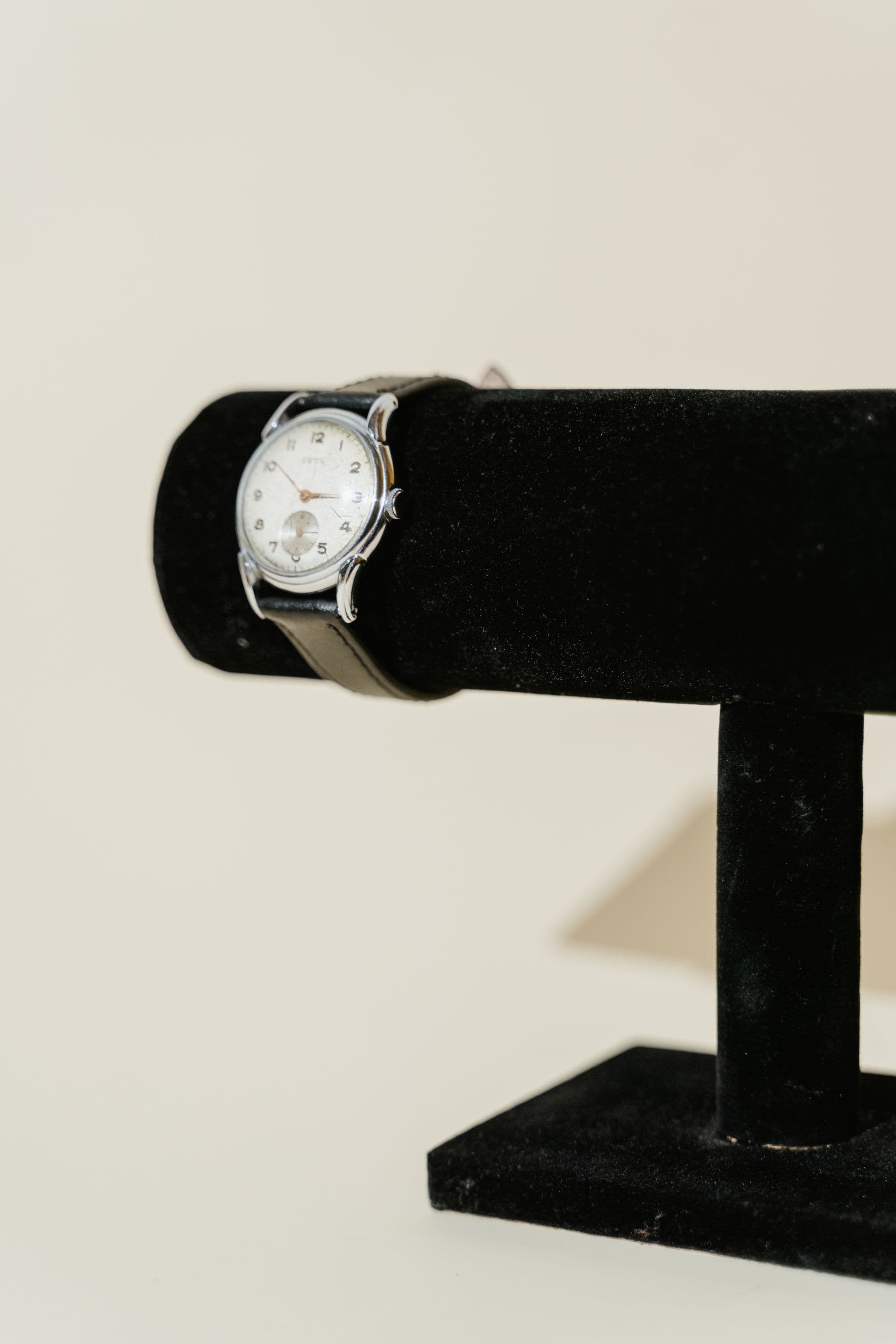
Watches tend to drift between people. One goes to a brother to hold. Another stays on the nightstand. The boxes and papers end up in a closet in a different house, and three years later nobody is sure which papers belong to which watch, or whether the brother still has his.
Write down the serial and reference numbers before anything changes hands. They are often engraved on the case or printed on the warranty card, and a watchmaker can help if you cannot find them. Photograph the dial, the caseback and the clasp. Put the purchase receipt, any service record and the card in one envelope with the photographs.
Then keep the watch, its box and its papers in one place. A vault box on a prepaid term means nobody has to remember an annual bill, and the signed inventory lists each watch by the details you recorded. If someone will need to reach it while you are away, read how agent access by power of attorney works before you choose them.
If a watch was bought during the period the case covers, or may be treated as part of it, your attorney needs to know before it moves. We honour valid warrants, subpoenas and court orders, and every visit to a box is identified and logged. How we respond to legal process is written out in full.
What matters
- Record the serial and reference number of every watch, with a photograph of the caseback.
- Keep the original box, warranty card and receipts with the watch they belong to.
- One location for a collection is easier to inventory than three.
- Name the person who may reach it, and check they hold the right paperwork.
How we handle it
- Each watch goes on the signed intake inventory, described by the details you give us.
- Eight box sizes, from $795 a year for the smallest (3 × 5 × 24 inches) to $12,500 a year for the largest.
- Term discounts: 20% off each year's rent on rentals of three to five years, 25% on rentals longer than that.
- Contents insurance is arranged separately against a declared value; Lloyd's of London coverage is available.
Where we stop
We store the watches. We do not service, value, authenticate, buy or sell them, and we cannot advise whether one is exposed to the case.
Short answers
- Should the watch boxes go in the vault too?
- If they fit, yes. Original boxes and papers belong with the watch. If the boxes are bulky, a larger box size keeps the set together, or store the papers beside the watch and keep the box elsewhere.
- What if I do not know the serial numbers?
- Bring the watches. Many serials are on the case or the warranty card, and a watchmaker can help with the rest. Write what you find before the inventory is signed.
- Can a family member wear one of the watches while I am away?
- That is between you and them. If one leaves the box, note it in writing so the inventory still matches what is inside.
Questions people ask about this
More on what to store
Jewelry
Rings, chains and earrings disappear quietly over a long absence. Photograph each piece, list it, and name one person.
Coins and bullion
Coins and bullion counted, listed and stored in one place. We hold the metal and never buy, sell or value it.
Deeds, titles and documents
Deeds, titles, wills and tax papers kept in one listed place, with a named person who has authority to use them.
Passports and IDs
Passport, birth certificate and Social Security card listed and stored together, once you have asked your attorney about surrender.
Family heirlooms and photographs
Photographs, letters and keepsakes worth little to a buyer and everything to a family, listed and kept in one place.
Settle it before the date, not after.
A short call is usually enough to know whether a box is the right answer. If it is not, we will say so. Attorneys and family members are welcome to call on a client's behalf.